

High performers often earn autonomy and trust, yet the leaders delivering the strongest results may receive the least structured development. Without intentional growth pathways, hidden blind spots can shape decisions, influence, and long-term leadership effectiveness.
The Development Gap Companies Rarely Recognize
Many organizations direct development resources toward employees who appear to need the most support. When performance struggles become visible, managers respond with training, coaching, or structured improvement plans. The instinct is understandable. Leaders want to address problems before they grow.
Yet this approach can unintentionally create a different kind of leadership gap. High performers rarely trigger concern. Their work is reliable, their results are strong, and their managers trust them to operate independently. Because of that trust, conversations about development often become less structured over time. Feedback may be more informal. Formal growth plans may receive less attention.
Ironically, the employees contributing the most value frequently receive the least intentional development. That dynamic becomes increasingly important as high performers move into roles with broader influence. The decisions they make affect teams, strategy, and organizational direction. When development slows at the same time leadership scope expands, hidden risks can emerge.
Performance is highly visible inside organizations. Preparation for future leadership challenges is far less obvious. When that preparation is left to chance, leadership capability development may not keep pace with growing responsibility.
Download the Playbook: Leads Courageously – The Science Behind Confident, Decisive Leadership
Strong Results Can Hide Leadership Risk
Strong performance creates confidence. Metrics show productivity, reliability, and the ability to deliver outcomes under pressure. These indicators are valuable, but they do not always capture the full picture of leadership effectiveness.
Performance metrics typically measure what results were achieved. They do not necessarily reveal how decisions were made, what assumptions shaped those decisions, or how leaders respond when complexity increases.
High performers often rely on habits and strategies that served them well earlier in their careers. Those approaches can remain effective for a long time, which reinforces confidence in familiar patterns. Over time, however, leadership responsibilities begin to expand beyond the boundaries of personal expertise.
As leaders gain authority, they must navigate competing priorities, influence across functions, and make decisions in situations where information is incomplete. In these environments, leadership judgment becomes just as important as technical skill.
Without structured executive leadership development, strong results can unintentionally conceal areas where leaders would benefit from deeper reflection or expanded perspective. Performance success can reinforce patterns that worked well in the past but may not scale effectively in more complex leadership environments.
Download the Playbook: Confidence in Action – The Science of Decision-Making Under Pressure
Blind Spots That Surface as Leaders Gain Authority
As high performers move into broader leadership roles, several predictable blind spots often appear. These patterns do not reflect poor leadership. They reflect the natural transition from individual expertise to enterprise leadership.
Strategic Tunnel Vision
High performers typically build their careers through deep functional expertise. That knowledge becomes a major strength, but it can also shape how leaders interpret organizational challenges. Decisions may unintentionally prioritize familiar priorities instead of broader enterprise needs.
Overconfidence in Proven Approaches
Past success builds confidence in certain strategies and decision frameworks. While that confidence can help leaders act decisively, it can also limit openness to new perspectives. When leaders rely heavily on approaches that worked in earlier roles, they may overlook signals that the context has changed.
Difficulty Delegating Authority
Many high performers built their reputations through personal execution. As leadership scope expands, however, success depends on empowering others to make decisions and contribute ideas. Leaders who continue solving problems themselves may unintentionally slow team development and create decision bottlenecks.
Limited Exposure to Alternative Perspectives
High performers are often trusted advisors within their organizations. That reputation can make colleagues hesitant to challenge their ideas. Over time, leaders may receive fewer dissenting viewpoints, which reduces exposure to perspectives that strengthen decision quality.
These blind spots rarely appear through traditional feedback channels. Because performance remains strong, managers may assume leadership capability is developing naturally. In reality, leadership development for executives requires intentional structure as responsibilities grow more complex.
Why Traditional Leadership Programs Miss the Mark
Most recognize the importance of leadership development, yet traditional programs often struggle to address the needs of high-performing leaders. The structure of these programs frequently emphasizes broad leadership concepts rather than the specific challenges executives face in their roles.
Several common issues contribute to this gap.
Broad Competency Models
Leadership frameworks often describe behaviors that apply across many roles. While useful for general guidance, these models rarely connect directly to the decisions leaders make in their own organizational context.
Training That Lacks Role Relevance
Executives frequently attend leadership programs that feel disconnected from the real complexity of their responsibilities. Without clear links between training and daily leadership challenges, development becomes theoretical rather than practical.
Generic Development Pathways
High performers are often placed in the same leadership curriculum designed for early-stage managers. The complexity of executive leadership demands far more tailored development approaches.
Limited Diagnostic Insight
Many programs begin without a clear understanding of where leadership capability gaps exist. Development plans may rely heavily on observation or opinion rather than measurable insight into leadership behavior and decision patterns.
Without stronger diagnostic insight, the leadership development strategy becomes broad instead of targeted. Leaders participate in programs, but the connection between development activity and leadership effectiveness remains unclear.
Identifying Leadership Capability Gaps Through AI and Scientific Insight
Companies increasingly recognize that leadership capability development benefits from deeper data and scientific analysis. Advances in talent analytics allow companies to examine leadership patterns that were previously difficult to measure.
Science-based assessments grounded in Industrial-Organizational Psychology can evaluate capabilities linked to leadership effectiveness. These capabilities often include decision-making patterns, learning agility, and the ability to navigate complex organizational environments.
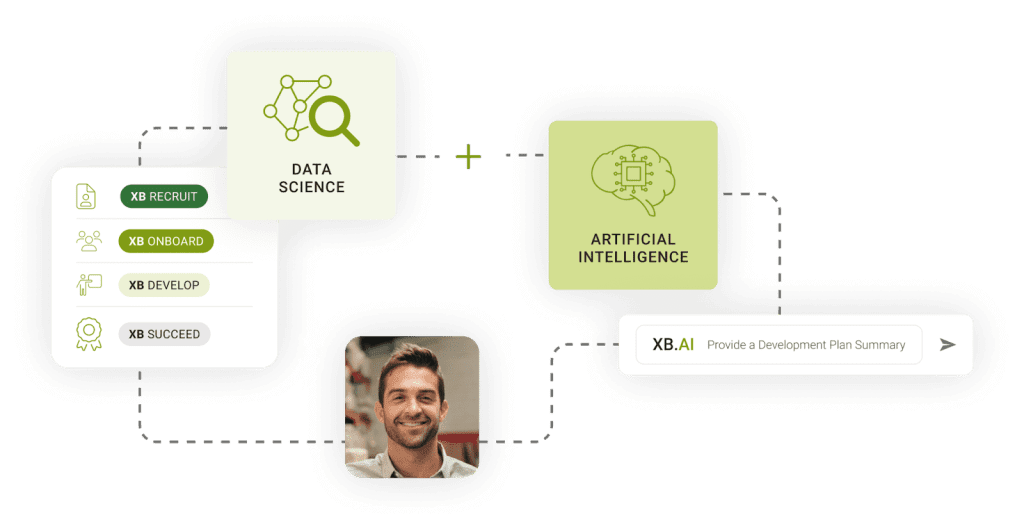
Artificial intelligence helps identify patterns within leadership data, while scientific research explains why those patterns influence performance. Together, these insights provide a more precise understanding of where development efforts should focus.
This approach allows organizations to move beyond general leadership training toward targeted development. Instead of assuming where growth is needed, leaders gain measurable insight into how their capabilities align with the demands of their role.
When development priorities are informed by data rather than assumptions, executive leadership coaching becomes more focused and more relevant to the leader’s real responsibilities.
How XBInsight Paves the Way for High-Performing Leaders
XBInsight helps organizations bring greater clarity to this process by aligning executive leadership development with measurable leadership capabilities. It’s how you can create development pathways that reflect the real demands of today’s leadership roles. The result is a more strategic approach to leadership development for executives. And it’s one that helps high performers expand their influence, strengthen decision quality, and prepare for the evolving challenges of modern leadership.
If your leadership team is evaluating how to strengthen development for high-performing leaders, XBInsight can help. Our AI-powered talent intelligence platform combines behavioral science and advanced analytics to reveal leadership capabilities that influence performance. Contact us to learn how deeper insight can help your company develop stronger leaders at every stage of the talent lifecycle.