

Senior leaders rarely talk openly about the moment when career momentum begins to slow. Performance reviews remain strong. Responsibilities are significant. The organization continues to rely on the leader’s expertise. Yet something subtle begins to shift.
Promotions don’t come automatically, where maybe they once did. Influence across the enterprise stops expanding. Strategic opportunities begin to move toward other leaders.
This moment is often referred to as the executive plateau.
For many leaders, the plateau feels confusing because nothing appears to be going wrong. In reality, it usually signals that the leadership context has changed. The capabilities that created earlier success are no longer the same capabilities required to influence enterprise-level decisions.
Understanding this transition is critical for both executives and the organizations that depend on their leadership. If your growth or influence has started to stall, it may not be a performance problem. It may be a leadership transition that requires a different development approach.
What an Executive Plateau Actually Looks Like
An executive plateau usually appears when strong leaders stop gaining broader influence within the organization.
Common signals include:
- Promotions slow down despite consistent performance.
- Strategic initiatives are led by other executives.
- Influence remains concentrated within one function or department.
- Visibility with the board or enterprise leadership team remains limited.
- Feedback becomes vague, such as “think more strategically” or “expand your influence.”
These signals often present when leaders approach enterprise-level responsibilities. The expectations of the role begin to change, but the leader may not yet have clear visibility into which capabilities need to evolve.
The result is a career stage where performance remains solid, yet forward movement becomes less predictable. It might even feel as though there is nowhere left to “grow.”
Why Strong Leaders Often Hit a Plateau
The most common reason executives hit a plateau is that the definition of leadership changes as responsibility expands. Early leadership roles reward operational excellence. Leaders succeed by mastering their domain, delivering results, and building strong teams within a specific function. Enterprise leadership requires something broader.
Senior executives are expected to shape decisions across the organization, influence peers in other departments, and guide strategy under conditions of uncertainty. Success becomes less about executing within a function and more about influencing outcomes across the business.
Many leaders continue relying on the strengths that built their earlier success. Those strengths still matter, but they don’t automatically translate into enterprise-level influence.
This transition can be especially visible in specialized leadership roles. For example, a Chief Legal Officer may be widely respected for legal expertise and operational leadership of the legal department, yet feel confined to that functional role. Expanding influence into board-level discussions or cross-functional strategy often requires a different set of leadership capabilities beyond legal mastery.
Without clarity about those shifts, highly capable leaders can find themselves operating at the same level longer than expected.
Enterprise Leadership Depends on a Different Set of Capabilities
As leaders move closer to enterprise responsibility, several capabilities become increasingly important. These competencies shape how leaders influence decisions across the organization.
Decision-Making Under Uncertainty
Enterprise leaders rarely operate with complete information. They must evaluate competing priorities, ambiguous signals, and potential risks while still moving the organization forward.
Strategic Judgment
Senior leadership requires the ability to balance immediate operational needs with long-term business strategy. Leaders must recognize how decisions in one part of the organization affect the entire enterprise.
Cross-Functional Alignment
Complex organizations depend on collaboration across departments. Leaders who can align diverse teams around shared priorities create momentum that extends beyond their own function.
Organizational Influence
Enterprise leadership involves guiding decisions among senior peers, executives, and stakeholders. Credibility and influence must extend beyond one department or expertise area.
These capabilities often determine whether a leader continues expanding their impact. Yet they are rarely measured clearly through traditional leadership development processes.
At XBInsight, the integration of advanced analytics with decades of Industrial-Organizational psychology research helps organizations uncover the deeper drivers of leadership performance. AI can identify patterns in leadership behavior, while science explains why certain leaders succeed in complex roles and how their capabilities translate into enterprise influence.
Why Traditional Leadership Development Often Falls Short
Many organizations recognize when executives appear to stall and respond by encouraging development activities such as mentorship, leadership workshops, or additional training.
While these efforts can be valuable, they often lack the precision required to address an executive plateau.
Annual performance reviews typically focus on outcomes rather than the underlying capabilities that drive leadership impact. Generic leadership programs offer broad frameworks that may not reflect the specific demands of enterprise roles. Informal mentorship can provide perspective, but it often depends on anecdotal advice rather than measurable insight.
As a result, executives frequently hear feedback that sounds helpful but remains difficult to act on.
Be more strategic.
Increase your visibility.
Expand your influence.
Those statements describe what successful enterprise leaders do, but they rarely explain which leadership capabilities need to change or how those changes should occur. Without that level of clarity, development becomes trial and error.
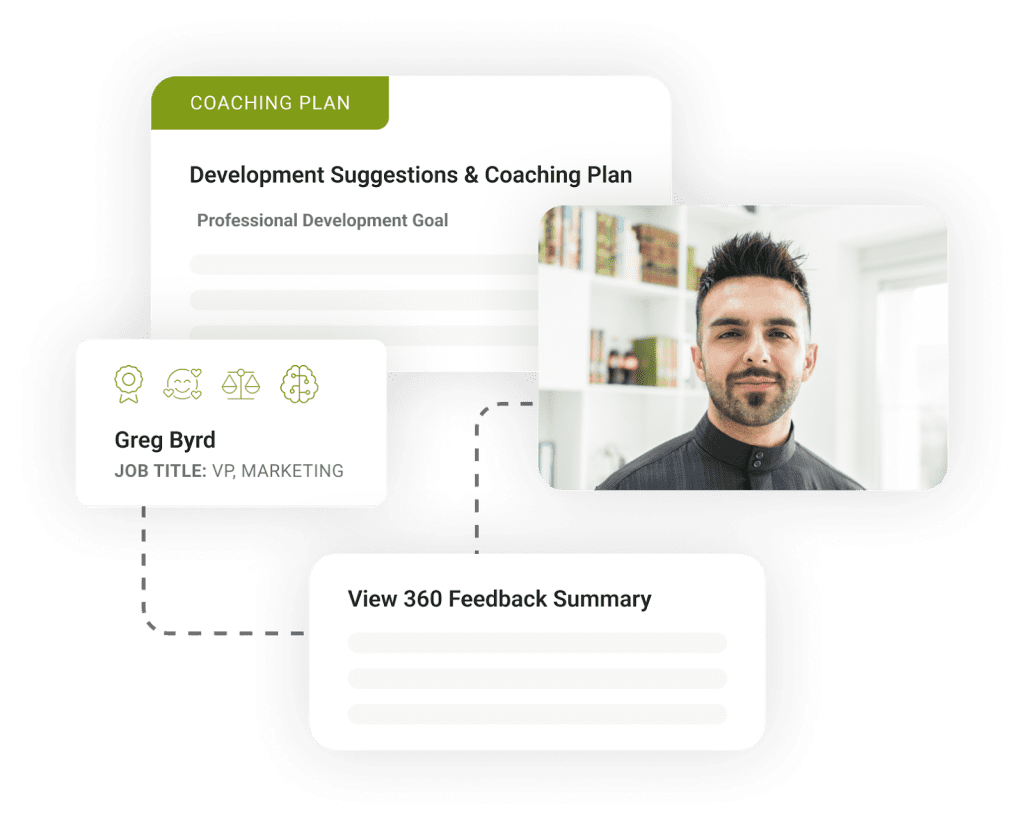
Data-Informed Executive Coaching Creates a Clearer Path Forward
Executive plateaus often resolve when leadership development becomes more precise.
Science-backed assessments can reveal patterns that leaders and organizations cannot easily see through observation alone. These insights can show how a leader approaches complex decisions, how quickly they adapt to new environments, how ready they are for expanded responsibility, and how their strengths align with broader organizational needs.
This level of insight transforms executive coaching from general advice into targeted leadership development. Instead of broad recommendations, coaching focuses on the specific capabilities required for enterprise leadership. Leaders today gain a clearer understanding of how their decision-making patterns, influence style, and strategic judgment affect their ability to operate at higher levels of the organization.
At XBInsight, executive coaching combines scientifically validated assessments with data-informed insight to support leadership growth. These assessments measure capabilities such as decision-making, learning agility, leadership readiness, and alignment with business goals. The goal is not simply to develop leaders, but to develop them with precision.
When leaders understand the capabilities required for enterprise influence, they move beyond the plateau and expand their impact across the organization.
Overcome the Executive Plateau with XBInsight
An executive plateau should not be viewed as a limit on potential. It is a signal that the leadership model must evolve. Organizations that recognize these transitions early are better positioned to support their leaders. By combining advanced analytics with scientifically validated assessments, they gain a clearer understanding of how leadership capabilities translate into enterprise performance.
XBInsight’s AI + Science-powered Talent Decision Platform helps organizations uncover the leadership capabilities that drive success across the entire talent lifecycle. From leadership development to succession planning, the platform provides the insights needed to help executives grow into broader strategic roles.
If you or leaders in your organization feel that growth has begun to stall, it may be time to take a different approach. Contact XBInsight and let’s talk about how science-backed executive coaching can help you move from functional success to enterprise influence, and over your leadership plateaus.