
Teams are operating in an environment where expectations continue to rise while conditions continue to shift. Speed, adaptability, and consistent execution are no longer competing priorities. They are expected to happen at the same time. Performance at that level depends on more than capability. It reflects how clearly teams are aligned, how decisions are made, and how effectively they operate when pressure increases.
Resilient, agile teams are built through defined conditions, measurable behaviors, and a shared approach to decision-making that holds as demands evolve. Organizations that understand and apply these principles create teams that adjust quickly, maintain focus, and continue to perform as complexity increases.
Why Do Teams Struggle to Adapt Under Pressure?
Speed isn’t the issue. Misalignment is. Most high-performance teams have capable people. They know their roles. They understand the work. But when conditions change quickly, small gaps become visible:
- Decision rights aren’t clear
- Communication tightens or shuts down
- Roles blur when priorities shift
- Confidence drops when stakes rise
This is where performance stalls. Not because people don’t care, but because the team doesn’t have a shared way of operating when things get difficult.
We’ve seen this play out in high-stakes environments. In work with NFL officiating crews, even experienced officials struggled when alignment slipped. Split-second decisions require clarity, trust, and confidence in how the team operates. When those conditions are off, accuracy and composure follow. Inside organizations, the same dynamic shows up in slower decisions, second-guessing, and inconsistent execution.
Agility comes from making the right decisions quickly.
Resilience comes from holding that standard under pressure.
What Skills and Competencies Make a Team Resilient?
Resilience goes beyond the concept of “pushing through.” It’s built into how a team thinks, communicates, and operates. Three factors consistently show up in teams that hold up under pressure:
Diversity of Thought
Teams perform better when they actively use different perspectives during decision-making. It requires more than having varied viewpoints in the room. It requires a shared process for evaluating ideas, challenging assumptions, and moving forward without getting stuck.
Behavioral Balance
Every team has a mix of decision styles. Some individuals move quickly and focus on action. Others take time to assess risk and consider long-term impact. When those styles are understood and used intentionally, decisions improve. When they aren’t, teams tend to rush or stall at the wrong moments.
Psychological Safety
Teams need a level of confidence that allows people to speak directly, challenge ideas, and act when needed. This becomes more important under pressure, when hesitation or silence can delay decisions and compound problems.
These factors align closely with what drives team effectiveness at a deeper level. Conditions shape how teams operate. Competence determines how they execute. Connectedness builds the trust required to do both well. When those elements are in place, teams don’t just survive pressure. They stay aligned through it.
Why Don’t Teams See These Gaps Sooner?
Most teams assume they are aligned because day-to-day work continues to move forward. Meetings happen, deliverables are completed, and progress appears steady. The underlying issues tend to surface only when pressure increases or when decisions need to be made quickly.
Without clarity, teams rely on:
- Perception instead of data
- Feedback that comes too late
- Assumptions about how the team is functioning
On the surface, everything can look fine. Meetings happen. Work gets done. But underneath, there are gaps:
- Decision-making isn’t consistent
- Accountability isn’t clearly owned
- Communication breaks down under stress
- Collaboration depends on individuals, not the system
Without clear visibility into how a team operates, leaders are left relying on perception. That makes it difficult to pinpoint where breakdowns are happening. Decision-making inconsistencies, unclear accountability, and communication gaps often go unaddressed because they aren’t immediately visible.
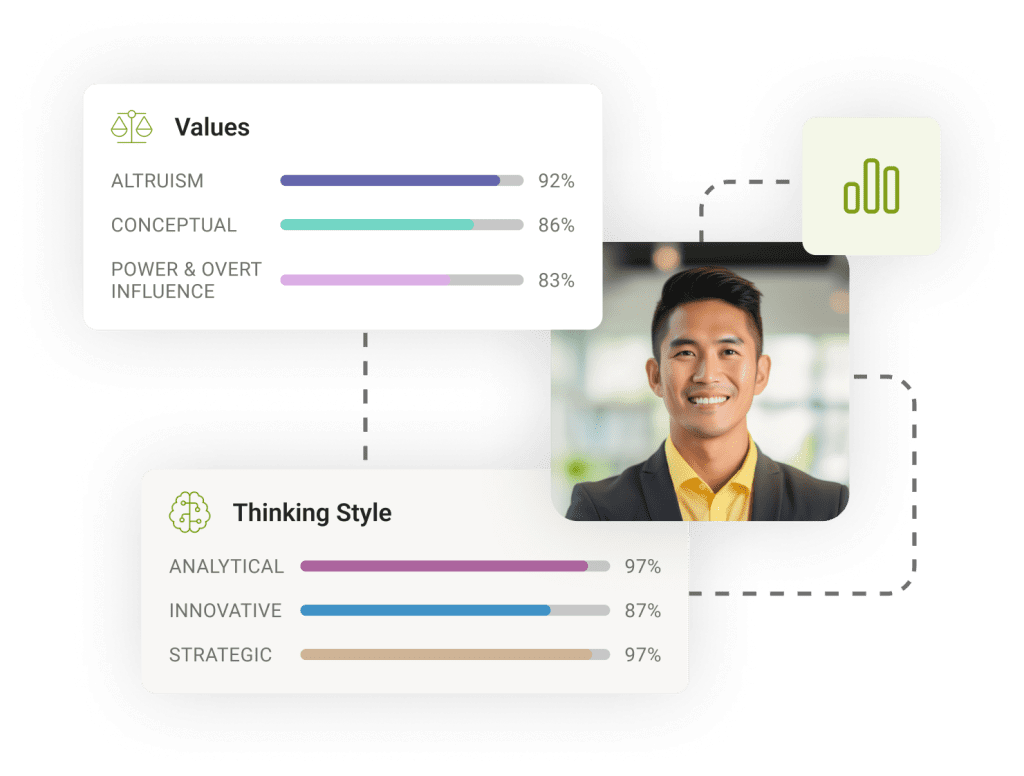
Science-backed assessment changes that dynamic by making team behavior more transparent. It highlights where strengths exist and where friction is likely to slow performance. Instead of reacting after issues appear, teams can identify and address gaps before they affect outcomes.
This is where assessment becomes critical. Not as a report card, but as a way to understand:
- Where the team is strong
- Where friction exists
- How people work together under pressure
What Actually Changes Team Performance?
Teams improve when they apply new behaviors consistently in real situations. Awareness is useful, but it doesn’t create change on its own. What matters is how teams adjust how they work together.
The most effective efforts focus on three areas:
Targeted Development
Development needs to reflect how the team operates in practice. When learning is tied directly to decision-making, communication, and execution, it becomes easier to apply.
Coaching in Context
Coaching reinforces behavior when it matters most. It helps individuals and teams adjust how they respond under pressure, not just how they perform in controlled settings.
Cross-Functional Experience
Working across roles and functions builds adaptability. It gives teams a better understanding of how decisions affect different parts of the organization and strengthens collaboration.
As these elements take hold, teams become more consistent in how they approach challenges and make decisions.
What Do Agile, Resilient Teams Do Differently?
You can see the difference in how high-performance teams operate.
They:
- Make decisions faster without losing quality
- Stay aligned even when priorities shift
- Recover quickly when something goes wrong
- Maintain clarity on roles and expectations
- Communicate directly, especially under pressure
Confidence plays a role here. In high-stakes environments, confidence isn’t about personality. It influences accuracy, composure, and how teams respond when decisions matter most.
That’s what the Confidence in Action research highlights. When individuals trust their ability to make the right call, and teams trust how decisions are made, performance stabilizes even when conditions don’t.
At the team level, that shows up as consistency. These teams don’t wait for perfect conditions. They adjust in real time and move forward with clarity.
How Do You Build This Consistently Across Teams?
This is where most organizations fall short. They try to fix team performance after issues surface. High-performing organizations take a different approach. They build the conditions for performance early and reinforce them across the entire talent lifecycle.
That means:
- Hiring people who align with how decisions need to be made
- Onboarding in a way that establishes clarity and expectations from day one
- Developing leaders and teams with data-driven insight
- Planning succession with confidence in who can step into critical roles
AI can surface patterns in how teams operate. Science explains why those patterns exist and what to do about them. Together, they provide a level of precision that intuition alone can’t match.
When that approach is applied consistently, organizations don’t just improve individual teams. They build a system where resilience and agility scale.
From Reaction to Readiness with XBInsight
Teams that perform well under pressure don’t get there by chance. They’re built with intention, measured with data, and developed over time.
That’s the shift happening now. Organizations are moving away from reacting to breakdowns and toward building teams that are ready for what’s next.
XBInsight brings these elements together in one platform, connecting hiring, onboarding, development, and succession into a single, aligned system. This creates a consistent foundation for how teams are built and how they improve over time.
When resilience and agility are treated as measurable capabilities, performance becomes more consistent, decisions become more confident, and teams are able to move faster without losing alignment.
If your teams are being asked to do more, move faster, and adapt constantly, support them with science-backed assessments that bring clarity to the competencies, confidence, and performance under pressure. Connect with our team to schedule a demo.