

At some point in nearly every executive career, there’s a shift. Sometimes it’s driven by opportunity. Sometimes it’s driven by burnout, restructuring, market changes, or the realization that the role you’ve mastered is no longer the role you want.
For some leaders, that next chapter means stepping into a new industry. For others, it means moving from operational leadership into enterprise strategy, board governance, consulting, or transformation-focused roles. Increasingly, executives are being asked to lead through AI adoption, workforce disruption, digital transformation, and organizational change that didn’t even exist when they first entered leadership.
That’s why executive reinvention has become less about starting over and more about building the leadership capabilities needed for where business is headed next.
The challenge is that career transitions at the executive level are different from what they were even five years ago. Experience still matters, but organizations are placing greater emphasis on adaptability, leadership agility, strategic decision-making, and the ability to lead through uncertainty. Past success opens the door. Future-ready leadership capabilities are what create confidence in what comes next.
Executive Transitions Are Increasingly Driven by Transferable Leadership Capabilities
A common frustration executives face during career transitions is feeling boxed into the industry or function where they originally built their reputation. After years of leadership success, it can feel surprisingly difficult to convince organizations that your capabilities extend beyond a specific title or sector.
Part of that challenge comes from how executive experience is traditionally presented. Too many leaders still frame their value around responsibilities instead of leadership impact.
Organizations aren’t just evaluating whether you’ve worked inside a particular industry before. They’re evaluating whether you can solve the problems their business is facing now.
If you’ve successfully led organizational change, scaled operations, aligned teams during uncertainty, improved performance, or navigated high-pressure business environments, those competencies carry value across industries. A healthcare executive moving into technology leadership may not bring software engineering expertise, but they may bring years of experience leading transformation, managing complexity, and driving operational alignment at scale.
Those are highly transferable executive capabilities.
This is where leadership reinvention becomes more strategic. The conversation shifts from “Here’s what I’ve done” to “Here’s how I lead, adapt, and create business impact.”
Leadership Agility Has Become a Core Executive Expectation
Organizations are operating in environments that change faster than leadership development models were originally designed to support. New technologies, evolving workforce expectations, market volatility, and constant pressure for growth have changed what executive readiness looks like.
Today, leadership agility is no longer viewed as a secondary leadership trait. It’s becoming a defining expectation.
Executives who transition successfully into new leadership environments are typically those who can learn quickly, adjust communication styles, lead through ambiguity, and maintain alignment during periods of change. That adaptability becomes especially important when stepping into unfamiliar industries, larger organizational structures, or transformation-focused leadership roles.
This is also why some executives discover that previous leadership approaches don’t always scale into the next phase of their careers.
A leader who built success through operational discipline may need to strengthen innovation leadership. A highly technical executive may need to expand executive presence and enterprise communication skills before moving into broader organizational leadership. A successful division leader may need stronger strategic influence before transitioning into enterprise-wide decision-making responsibilities.
Career reinvention usually requires some level of leadership evolution alongside professional repositioning.
Generic Executive Development Plans Leave Leadership Gaps Unaddressed
One of the biggest issues with traditional executive development is that it tends to treat leadership growth as universal. In reality, the leadership capabilities needed to succeed vary significantly depending on the role, business environment, growth stage, and organizational priorities.
That’s why generic leadership coaching can feel disconnected from the actual pressures executives are facing. You don’t need vague leadership advice when preparing for a larger role, a new industry, or a significant transition. You need visibility into the specific capabilities that will help you succeed in the environment you’re preparing to lead.
That could include:
- Leading Through Organizational Transformation
- Improving Executive Communication
- Strengthening Cross-Functional Influence
- Navigating Board-Level Visibility
- Building Strategic Alignment
- Managing Faster Decision Cycles
- Developing Leadership Presence During Change
The most effective executive development strategies are personalized, measurable, and directly connected to the realities of the role ahead.
That’s where data-driven leadership coaching becomes far more valuable than generalized leadership training programs.
Executive Coaching Creates Clarity Around Leadership Readiness
High-performing executives still have blind spots. In fact, leadership blind spots can become harder to identify as careers advance because fewer people are willing to challenge or openly critique senior leadership behavior.
That creates a difficult dynamic during periods of reinvention.
You may know you’re capable of more, but still lack visibility into what could accelerate or limit success in your next role. You may understand your strengths clearly while underestimating the leadership adjustments needed for a different business model, leadership structure, or organizational culture.
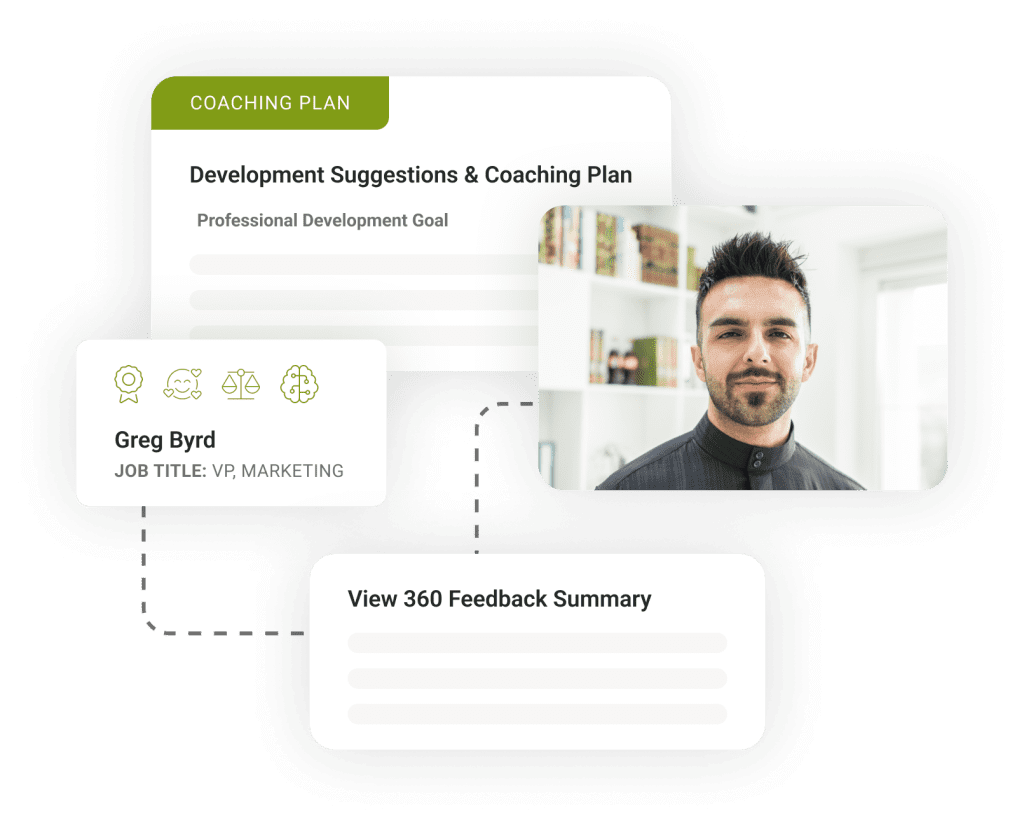
Executive coaching becomes significantly more impactful when it’s grounded in measurable insight rather than generalized leadership theory. When coaching is supported by AI + Science-driven assessments, role-specific benchmarks, and validated leadership data, development plans become far more precise. Instead of broad conversations about leadership style, coaching can focus on the specific competencies most tied to success within your target role or leadership environment.
That creates clearer development priorities, stronger alignment, and more measurable growth over time. It also creates confidence. Not just confidence in your experience, but confidence in your readiness for what comes next.
Further reading: Executive Identity Shifts: Leading at a Higher Level Requires a Different Skillset
Your Executive Brand Needs To Reflect Future Value, Not Just Past Experience
Executive presence evolves during periods of reinvention. So should the way you position yourself professionally. At the executive level, networking alone rarely drives successful transitions. Organizations want to understand how you think, how you lead, and how you create value in changing business environments.
That’s why your professional positioning should reflect future leadership capability as much as historical success.
Your LinkedIn profile, industry visibility, thought leadership, advisory involvement, and executive conversations should reinforce the type of leader you’re becoming, not just the roles you’ve already held.
Executives preparing for a new chapter benefit from communicating:
- Strategic Perspective
- Leadership Adaptability
- Transformation Experience
- Operational Impact
- Industry Awareness
- Decision-Making Capability
This helps organizations evaluate not only where you’ve succeeded before, but where you can lead successfully next.
Executive Reinvention Is Really About Preparing for Larger Leadership Demands
Career reinvention at the executive level rarely happens because ambition disappears. More often, it happens because leadership evolves faster than the original career path anticipated.
The executives who navigate these transitions successfully are usually those who treat development as an ongoing leadership strategy instead of a reactive response to change. That means investing in visibility, feedback, leadership agility, and personalized growth long before a transition becomes urgent.
Organizations are placing greater emphasis on leadership readiness, succession strength, and future-state capability than ever before. Executives who understand how to align their development with those expectations are better positioned to lead through complexity, scale organizational impact, and move confidently into their next chapter.If you’re considering career reinvention at the executive level, XBInsight Executive & Leadership Coaching can help you identify the leadership capabilities needed for your next chapter with AI + Science-driven insights, role-specific benchmarks, and personalized development strategies designed to accelerate readiness and long-term success.