

AI can accelerate analysis. It can’t replace calibrated human judgment.
Executives are making more decisions, with more information, and less time than ever before. AI-powered tools can summarize reports, identify patterns, generate forecasts, and surface recommendations in seconds. At the same time, business cycles continue to accelerate, creating pressure to move faster, respond faster, and decide faster.
Every day, leaders evaluate competing priorities, emerging risks, shifting market conditions, talent challenges, and growth opportunities. Some decisions affect a single team or initiative. Others influence strategy, culture, operations, customer experience, and long-term business performance.
As decision windows continue to shrink, the ability to process information, evaluate potential outcomes, and exercise sound judgment becomes increasingly important. Executives are expected to move forward even when information is incomplete, circumstances are changing, and certainty remains out of reach.
Decision quality influences how effectively leaders navigate those moments. It shapes execution, organizational confidence, business performance, and a leader’s ability to guide others through complexity. That’s why decision quality deserves to be viewed as a measurable competency that can be observed, developed, and strengthened over time.
Decision Quality Influences Executive Effectiveness
Two executives can face the same market conditions, receive the same data, and have access to the same resources while arriving at very different decisions. One may recognize emerging risks early, identify opportunities others overlook, or adjust quickly as conditions evolve. Another may struggle to prioritize competing information, delay action, or remain committed to assumptions that no longer reflect reality.
The difference often comes down to competencies that influence judgment.
Decision quality is shaped by factors such as cognitive agility, learning agility, adaptability, response to ambiguity, and the ability to evaluate information under pressure. These capabilities affect how leaders gather information, interpret circumstances, assess risk, and move forward when there is no obvious answer.
For executive teams, the impact extends far beyond a single decision. Decision quality influences execution speed, organizational alignment, leadership credibility, and overall business performance. As organizations navigate increasingly complex environments, understanding the competencies behind effective decision-making becomes a strategic advantage.
Judgment Is More Than Experience
Experience remains valuable, but experience alone does not guarantee stronger judgment. Many leaders have encountered similar challenges throughout their careers. Some use those experiences to expand how they think, learn, and adapt. Others rely heavily on familiar approaches, even when circumstances require a different perspective.
This distinction becomes increasingly important as leadership responsibilities expand.
Enterprise-level decisions often involve incomplete information, competing priorities, multiple stakeholder groups, and consequences that extend across the organization. Success depends on far more than what a leader has seen before. It depends on how effectively that leader processes new information, evaluates alternatives, and responds when conditions change.
The strongest decision-makers continue developing their ability to learn, adapt, and think critically. They remain open to new information, challenge assumptions, and adjust course when necessary. Those behaviors are not personality traits. They are competencies that can be measured and developed over time.
Cognitive Agility Supports Better Decisions
One competency that has become increasingly important in modern leadership environments is cognitive agility.
Cognitive agility reflects a leader’s ability to process new information, shift perspectives, evaluate multiple possibilities, and adapt thinking as circumstances evolve. In fast-moving environments, leaders rarely have the luxury of waiting for complete certainty before acting. They must assess information quickly while remaining flexible enough to adjust as new facts emerge.
This capability becomes particularly valuable during periods of transformation, disruption, or uncertainty. Leaders who demonstrate strong cognitive agility are often better equipped to navigate unfamiliar challenges because they can absorb information, recognize patterns, and adapt without becoming overwhelmed by complexity.
As AI continues to accelerate access to information, cognitive agility may become even more important. Technology can help surface data and recommendations, but leaders still carry responsibility for interpreting that information and determining the best path forward.
What Elite Performance Environments Teach Us About Decision Accuracy
Professional football provides one of the clearest examples of decision-making under pressure.
Officials make rapid decisions in highly visible environments where every call carries consequences. They operate under intense scrutiny, limited time, and constantly changing conditions. Performance is evaluated continuously, accuracy is measured, and development is ongoing.
Years of research and coaching within NFL officiating environments have reinforced an important reality: decision quality is influenced by measurable variables. The ability to process information, remain composed under pressure, evaluate changing circumstances, and make accurate judgments varies significantly from one individual to another.
Enterprise leadership operates under different conditions, but many of the same performance principles apply.
Executives regularly make decisions that affect talent, strategy, culture, financial performance, customer experience, and long-term business growth. The stakes may look different, but the need for sound judgment remains remarkably similar.
This is one reason XBInsight’s Confidence in Action research has proven so valuable. The same decision-making variables that influence performance in elite environments can be identified, measured, and developed within leadership teams.
Decision Quality Can Be Measured
Many organizations evaluate business outcomes while giving far less attention to the competencies that influence those outcomes.
A successful initiative, profitable quarter, or strong business result can create the impression that every underlying decision was effective. Likewise, strong decisions can sometimes produce disappointing outcomes because of factors beyond a leader’s control.
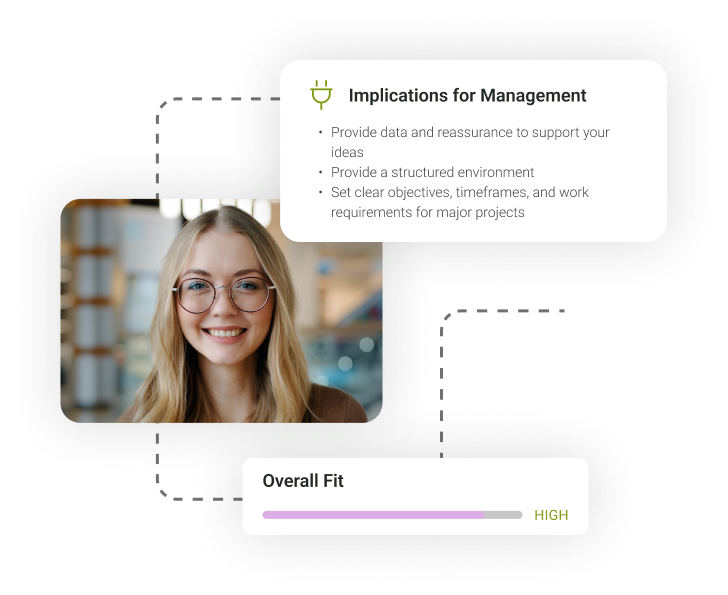
Looking only at results provides an incomplete picture. Organizations gain deeper insight when they evaluate the competencies associated with effective judgment, including:
- Decision-making tendencies
- Cognitive agility
- Learning agility
- Adaptability
- Response to ambiguity
- Leadership effectiveness under pressure
These capabilities influence how leaders process information, assess risk, respond to change, and make decisions when circumstances become more complex.
Understanding these variables creates opportunities to identify strengths, uncover development opportunities, and make more informed talent decisions. It also provides greater visibility into how leaders are likely to perform when faced with increasingly challenging situations.
Stronger Decisions Begin Before the Pressure Arrives
High-stakes decisions often create visible moments of leadership. The preparation behind those moments is far less visible.
Decision quality develops through experience, reflection, feedback, assessment, coaching, and continuous learning. Leaders strengthen judgment by understanding how they process information, recognizing patterns in their decision-making, and becoming more aware of how they respond to uncertainty.
The strongest organizations don’t wait until a critical business decision exposes a development gap. They proactively invest in understanding the competencies that influence leadership effectiveness and decision quality long before those capabilities are tested.
This approach creates stronger leaders, better talent decisions, and greater confidence throughout the organization.
Decision Quality Is a Competitive Advantage
Business environments will continue moving faster. AI will continue accelerating access to information. Organizations will continue facing increasing complexity.
The ability to apply sound judgment remains one of the most valuable leadership differentiators.
Companies that understand decision quality as a measurable competency gain deeper insight into executive effectiveness, leadership development, succession planning, and talent strategy. They move beyond assumptions and gain visibility into the capabilities that influence performance when the stakes are highest.
XBInsight helps organizations identify and develop the competencies that drive decision quality through AI + Science-powered assessments grounded in Industrial-Organizational Psychology and validated workforce data. By measuring the capabilities associated with judgment, adaptability, cognitive agility, and leadership effectiveness, organizations can make smarter talent decisions and build stronger leadership teams prepared for whatever comes next.
Interested in understanding how decision-making competencies influence leadership performance? Request three complimentary Leadership Development Assessments and discover how AI + Science can provide deeper insight into the capabilities that drive executive effectiveness.