

Leadership stability is a top priority for most businesses right now. Whether you’re preparing future executives, expanding into new markets, strengthening your succession strategy, or building leadership depth across the organization, the goal is the same. Place the right people in the right roles at the right time and set them up to lead successfully.
That objective sounds straightforward, but it becomes far more challenging as business conditions continue to evolve. Markets shift. Technology reshapes the way work gets done. Customer expectations change. New competitors emerge. All the while, leaders are expected to make important decisions with less certainty and shorter timelines than ever before.
The strongest leadership pipelines aren’t built by waiting to see who succeeds after they’re promoted. They’re built by identifying the qualities that predict success before leadership transitions occur. One of the most valuable predictors is learning agility.
Unlike experience or tenure, learning agility provides insight into how someone is likely to respond when responsibilities expand, priorities change, or uncertainty becomes part of the job. When businesses can measure that capability objectively, leadership development, succession planning, and workforce decisions become far more strategic.
How Can You Predict Leadership Stability?
Leadership stability isn’t measured by how long someone remains in a role. It’s measured by how effectively they continue leading as business conditions evolve.
A leader may perform exceptionally well during periods of steady growth but struggle when faced with rapid expansion, organizational restructuring, new technology, or increased market pressure. Another leader may have less experience but consistently demonstrate sound judgment, adapt quickly, and help teams remain focused despite changing circumstances. The difference often comes down to how people respond when familiar conditions no longer exist.
Recent global leadership research reflects this shift. In a survey of senior executives across 33 countries, 90% identified the ability to lead through uncertainty as the defining leadership capability of the future, while 77% highlighted strategic agility as another essential leadership characteristic. As businesses continue navigating constant change, the ability to adapt has become a measurable business advantage rather than simply a desirable leadership quality.
That creates an important opportunity for business leaders. Competencies remain an important part of leadership evaluation, but they represent only one piece of the picture. Stronger talent decisions come from measuring competencies alongside skills, motivators, role fit, and leadership readiness to better understand who is prepared to succeed as business conditions change. That broader view gives businesses greater confidence when hiring, developing, and preparing future leaders.
What Does Learning Agility Mean in Leadership?
Learning agility is generally described as the ability to learn quickly. But in high-level or executive leadership, it represents much more than acquiring new knowledge.
Learning-agile leaders process unfamiliar situations efficiently. They evaluate new information without becoming overwhelmed, adjust their thinking when circumstances change, and apply previous experience to entirely new challenges. Rather than becoming anchored to the way things have always been done, they remain focused on achieving business outcomes while adapting their approach as needed.
Consider two leaders facing the same unexpected challenge. A company acquires another business, creating new reporting structures, unfamiliar teams, and different operational processes. One leader continues relying on methods that worked previously, even when those approaches no longer fit the situation. The other listens, gathers information, adjusts priorities, and helps employees navigate uncertainty with confidence.
Both leaders may possess similar technical expertise.
The difference is their ability to quickly learn, adapt, and continue making sound decisions while conditions evolve.
That capability has become increasingly valuable because today’s business environment rarely remains static for long. Organizations need leaders who can absorb change without losing momentum and help others do the same.
How Can You Measure Learning Agility?
One of the biggest challenges in leadership development and succession planning is that learning agility isn’t always obvious during interviews or annual performance reviews.
A candidate may communicate confidently during an interview but struggle when confronted with unfamiliar challenges. An employee may consistently exceed expectations in their current position while finding it difficult to adapt when responsibilities expand. Likewise, someone with fewer years of experience may demonstrate exceptional potential because they consistently learn, adjust, and perform well in new situations.
Traditional evaluation methods provide useful information, but they were never designed to predict how someone will perform in a role they haven’t yet held. Stronger leadership decisions require a broader view of potential by measuring not only role-specific competencies, but also the cognitive capabilities, skills, motivators, and role fit that influence long-term success.
Scientifically validated talent assessments evaluate behavioral competencies that influence future performance, including learning agility, decision-making, leadership readiness, and other role-specific factors associated with success. Rather than relying on subjective impressions, opinions, or assumptions about potential, businesses gain measurable insight into how individuals are likely to respond as complexity increases.
These insights support more consistent hiring decisions, strengthen leadership development initiatives, and provide greater confidence when identifying future leaders. Instead of waiting for leadership transitions to reveal capability gaps, businesses can identify opportunities for development long before those gaps become operational challenges.
Learning agility becomes more than a leadership characteristic. It becomes measurable workforce intelligence.
How XBInsight Can Bring Learning Agility Insights to Your Pipeline
Understanding learning agility is valuable. Measuring it consistently across the employee lifecycle creates an even greater competitive advantage.
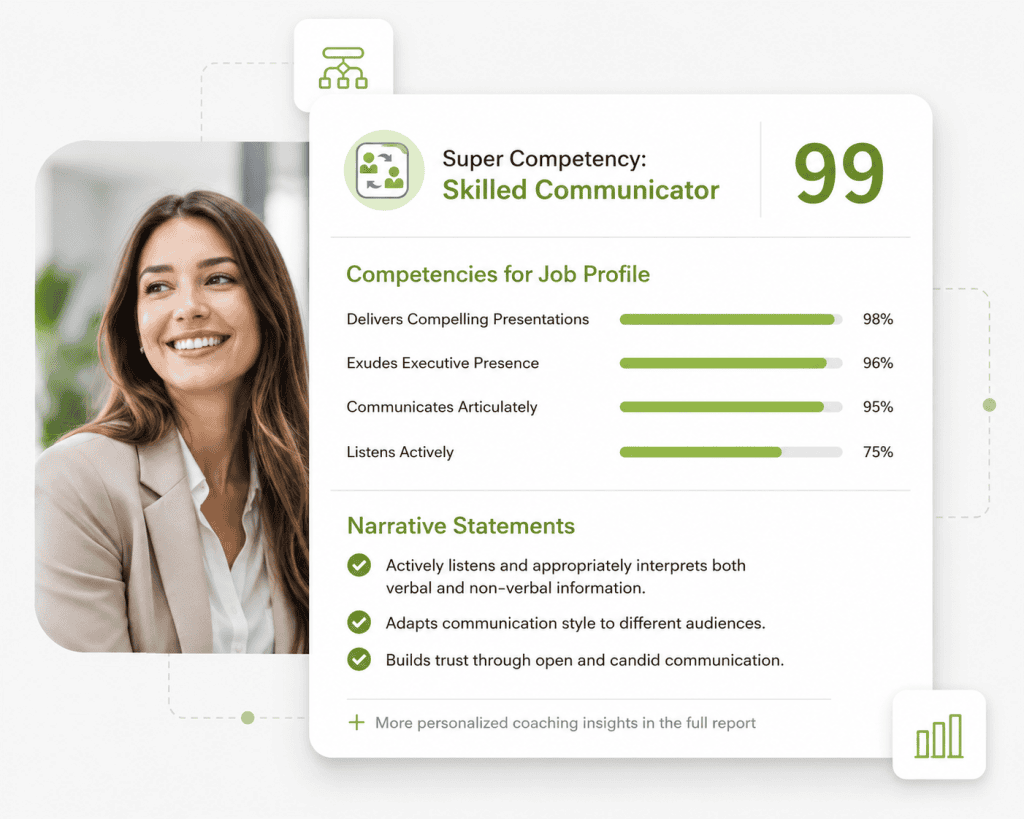
XBInsight’s AI + Science-powered Talent Decision Platform combines advanced AI with more than 20 years of Industrial-Organizational Psychology research to help businesses make smarter talent decisions. Rather than evaluating employees through isolated assessments or disconnected systems, the platform provides scientifically validated, role-specific insights that support hiring, onboarding, leadership development, and succession planning across the entire employee lifecycle.
Learning agility is one of several predictive competencies measured within the platform. By evaluating it alongside leadership readiness, decision-making, and other validated behavioral indicators, businesses gain a more complete understanding of future leadership potential. That connected view helps leadership teams identify emerging talent earlier, prioritize development investments more effectively, and strengthen succession planning with objective workforce data instead of assumptions. The result is a workforce strategy built on continuous measurement rather than isolated talent decisions.
As businesses grow and leadership demands evolve, connected talent intelligence helps ensure the next generation of leaders is identified, developed, and prepared before critical transitions occur. Instead of reacting to change, leadership teams gain the insight needed to anticipate it with greater confidence.
Ready to Build a More Resilient Leadership Pipeline?
Leadership stability starts with better data. See how XBInsight’s AI + Science-powered Talent Decision Platform helps businesses measure learning agility, strengthen succession planning, and make more confident talent decisions across the employee lifecycle.