

Confidence is one of the most important leadership qualities that organizations rarely discuss with enough precision.
Most executives understand the value of confidence. Teams look for it during uncertainty. Boards expect it during challenging business conditions. Investors, employees, and stakeholders often interpret confidence as a signal of leadership capability. Yet confidence itself is more nuanced than many leaders realize.
The goal isn’t simply to become more confident. The goal is to ensure your confidence remains aligned with your capabilities, responsibilities, and decision-making demands as your role evolves.
That’s where confidence calibration becomes important.
Confidence calibration is the alignment between how confidently a leader operates and their actual ability to navigate the challenges in front of them. When confidence and competence are aligned, leaders tend to communicate more clearly, make better decisions, and create greater organizational stability. When confidence becomes disconnected from capability in either direction, performance and execution can suffer.
For executives responsible for leading organizations through growth, transformation, uncertainty, and change, maintaining that alignment becomes an ongoing leadership responsibility.
Leadership Responsibilities Change Faster Than Confidence Often Does
Many executives spend years building confidence within a specific role, industry, or business environment. Over time, they develop expertise, pattern recognition, and decision-making instincts that help them navigate familiar challenges effectively.
Then the role changes.
A division president becomes a CEO. A functional leader takes on enterprise-wide responsibility. A successful executive inherits a larger team, enters a new market, or assumes responsibility for an acquisition, turnaround, or transformation initiative.
The challenge is that confidence developed in one environment doesn’t always transfer seamlessly into another.
Leaders who have been highly successful throughout their careers can suddenly find themselves navigating unfamiliar complexity, new stakeholder expectations, and decisions with broader consequences than they’ve faced before. Some respond by becoming overly cautious. Others rely too heavily on previous experience without fully adapting to new realities.
Neither response creates optimal leadership performance.
As responsibilities expand, confidence requires recalibration. The most effective executives continually assess whether the confidence they bring to decisions reflects the demands of their current role rather than the role they held five years ago.
Underconfidence Creates Organizational Costs That Are Easy to Miss
Executive leadership conversations often focus on overconfidence, but underconfidence can create equally significant challenges.
Underconfidence rarely announces itself. It doesn’t usually appear as a lack of capability or visible insecurity. More often, it shows up through hesitation, delayed decisions, excessive consensus-seeking, or an unwillingness to act until every variable feels completely understood.
At first glance, those behaviors can appear thoughtful and risk-conscious. Over time, however, they can create unintended consequences throughout the organization.
Teams wait for direction. Opportunities move past the organization. Strategic initiatives lose momentum. Decision cycles become longer. Leaders spend more time validating choices than executing them.
Employees often interpret this hesitation as uncertainty, even when the leader possesses the expertise needed to make a sound decision.
For executives, confidence isn’t simply personal. It influences how quickly organizations move, how clearly priorities are communicated, and how effectively teams respond to change.
Overconfidence Creates a Different Set of Leadership Risks
Confidence becomes problematic when it exceeds competence just as readily as when it falls short.
Executives who become overly reliant on past success may begin assuming that previous experience automatically translates into future effectiveness. They may seek less feedback, underestimate emerging risks, or become less willing to challenge their own assumptions.
This dynamic can be particularly dangerous during periods of rapid change.
Market conditions evolve. Workforce expectations shift. Technologies reshape industries. Strategies that worked previously may no longer produce the same outcomes. Executives who stop recalibrating their confidence can find themselves relying on outdated assumptions while believing they are operating from experience.
Strong executive leadership requires conviction, but it also requires intellectual flexibility.
The most effective leaders maintain confidence while remaining curious enough to question their own perspectives, gather new information, and adapt when circumstances change.
Download the FREE Playbook: Confidence in Action: The Science of Decision- Making Under Pressure
Executive Confidence Shapes the Confidence of Everyone Around You
One reason confidence calibration matters so much at the executive level is that leadership confidence rarely remains isolated.
Your leadership team notices it.
Your managers notice it.
Your employees notice it.
The way you communicate during uncertainty influences how others interpret challenges. The way you respond to setbacks influences how teams recover from failure. The way you approach difficult decisions influences how leaders throughout the organization make decisions themselves.
Confidence often spreads through organizations in subtle ways, too. Leaders who communicate clarity during periods of uncertainty tend to create greater stability throughout their teams. Leaders who remain composed under pressure often help others maintain focus during difficult situations. Leaders who trust their teams appropriately help build confidence in emerging leaders.
The opposite is true as well. Uncertainty at the top often creates uncertainty throughout the organization. Indecision creates hesitation. Overconfidence can encourage unnecessary risk-taking. Leadership behaviors tend to cascade through organizations much faster than most executives realize.
This makes confidence calibration both a personal leadership responsibility and an organizational leadership responsibility.

Self-Awareness Is the Foundation of Confidence Calibration
Most executives can easily identify areas where they feel confident. Fewer have visibility into where confidence may be underdeveloped, overstated, or inconsistent across different leadership situations.
That level of awareness becomes increasingly important as responsibilities expand.
Executives benefit from understanding:
- How they make decisions under pressure
- How they respond to ambiguity
- How they communicate during uncertainty
- How they process feedback
- How they assess risk
- How they influence others during change
These insights create opportunities to strengthen confidence where it lags behind demonstrated capability and create greater awareness where confidence may be outpacing available information.
This is one reason executive coaching has become increasingly valuable for senior leaders. Coaching provides space for reflection, feedback, and development that can be difficult to access once leaders reach the highest levels of an organization.
Without intentional feedback loops, executives often have fewer opportunities to understand how their leadership behaviors are affecting performance, alignment, and decision-making across the business.
The Strongest Leaders Continuously Recalibrate
Confidence calibration is an ongoing leadership discipline.
The demands placed on executives continue evolving. New responsibilities emerge. Organizations grow. Markets change. Teams expand. Leadership challenges become more complex.
The strongest leaders understand that confidence should evolve alongside those changes.
They continue seeking feedback. They remain open to development. They invest in self-awareness. They look for measurable insight into how they lead, communicate, and make decisions. Most importantly, they understand that confidence works best when it remains grounded in capability, learning, and continuous growth.
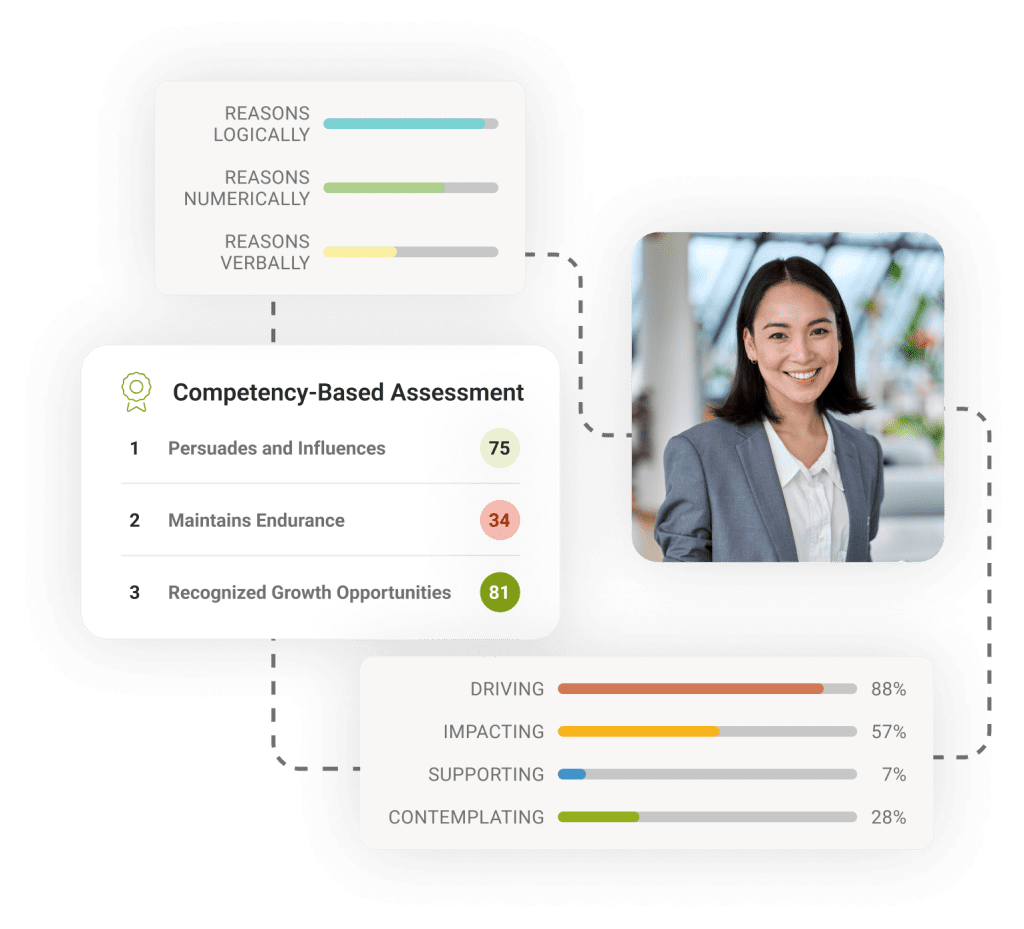
XBInsight Executive & Leadership Coaching helps executives gain deeper visibility into the competencies, leadership tendencies, and development opportunities that influence confidence and performance. Through AI + Science-driven insights, personalized coaching, and role-specific benchmarks, leaders can strengthen confidence calibration, improve decision-making effectiveness, and create greater confidence throughout their organizations.Interested in understanding how your confidence aligns with your leadership strengths and development opportunities? Request a complimentary Leadership Development Assessment and personalized results review with an XBInsight leadership expert.