

Leadership development has become a strategic priority for companies facing growth, transformation, succession challenges, and increasing business complexity. Executive coaching, leadership assessments, development programs, and personalized growth plans are all designed to strengthen leadership effectiveness and prepare leaders for greater responsibility.
The challenge is that many leadership teams still struggle to measure whether those investments are producing meaningful results.
Participation is easy to track. Growth is harder to quantify.
An executive may complete coaching sessions, participate in leadership development initiatives, and receive positive feedback throughout the process. Yet executive teams, boards, and HR leaders are increasingly asking a more important question: What has actually changed? Has leadership effectiveness improved? Is decision-making stronger? Is the executive better prepared to lead through greater complexity, broader responsibility, and higher-stakes business challenges?
As leadership development continues to evolve, companies are looking beyond participation metrics and placing greater emphasis on measurable progress. Executive growth shouldn’t be a matter of assumption. It should be something leaders can observe, evaluate, and develop with intention.
Why Leadership Development Often Feels Difficult to Measure
Most business functions operate with clear performance indicators. Revenue growth, productivity, profitability, customer satisfaction, and operational efficiency can all be tracked against defined outcomes.
Leadership development rarely enjoys the same level of visibility.
Many companies still rely heavily on annual reviews, anecdotal feedback, manager observations, or self-reported progress when evaluating leadership growth. While those inputs can provide useful context, they often fail to answer a fundamental question: Is leadership capability actually improving?
This creates a challenge for HR leaders, executive teams, and business leaders trying to justify development investments and identify where additional support may be needed.
Without a clear way to measure progress, leadership development can begin to feel subjective. Teams know growth is happening, but they struggle to define it, communicate it, or connect it to business outcomes.
The most effective companies are taking a different approach. Rather than focusing solely on development activity, they’re creating greater visibility into the competencies, behaviors, and leadership capabilities that influence performance over time.
Executive Growth Becomes Visible Through Competencies
One reason leadership development can feel difficult to measure is that many companies focus on outcomes without measuring the capabilities that produce those outcomes.
When a leader improves team performance, drives a successful transformation initiative, or steps into a larger role, the business sees the result. What often remains invisible is the development that made those outcomes possible.
Executive growth typically shows up through measurable improvements in competencies tied to leadership effectiveness. Decision-making becomes more consistent. Strategic thinking becomes broader. Communication becomes more influential. Leaders develop a greater ability to navigate ambiguity, align stakeholders, and lead through change.
These shifts don’t always happen overnight, but they can be observed and measured over time.
Companies that establish clear leadership benchmarks gain greater visibility into how leaders are developing and which capabilities are strengthening. That visibility creates better development conversations and more targeted growth opportunities.
Growth also looks different depending on the role. The competencies associated with success for a sales executive may differ from those required of an operations leader, healthcare executive, or future enterprise leader. That’s one reason generic leadership models often fall short. Measuring development against role-specific benchmarks creates a far more meaningful picture of executive growth and helps ensure development efforts remain aligned with business objectives.
The Gap Between Learning and Behavior Change
Leadership development doesn’t create value simply because someone participates in a program. Value is created when learning translates into behavior.
This is where many development initiatives struggle. Executives attend workshops, receive coaching, complete assessments, and gain valuable insights, but awareness alone doesn’t create lasting change. The real question is whether those insights influence how leaders operate when the pressure is on.
The strongest organizations look for evidence that development is influencing leadership behavior in measurable ways. That often includes improvements, such as:
- More effective decision-making during periods of uncertainty
- Clearer communication and organizational alignment
- Stronger delegation and talent development practices
- Greater adaptability when priorities shift
- Improved ability to navigate complexity and competing demands
- Increased influence across teams and stakeholder groups
- Stronger leadership during periods of organizational change and transformation
These are the signals that indicate growth is moving beyond awareness and into application.
The most effective development programs create opportunities for leaders to practice new competencies in real business situations while measuring how those capabilities evolve over time. When development is connected directly to leadership performance, progress becomes easier to observe, discuss, and support.
Growth becomes visible when behavior changes become consistent.
Why Personalized Growth Paths Produce Better Results
Not every executive is trying to solve the same leadership challenge. A newly promoted leader may need to strengthen organizational influence and delegation. A functional leader preparing for enterprise responsibility may need to expand strategic thinking and decision-making capabilities. A senior executive leading transformation may need support navigating change, complexity, and stakeholder alignment.
Yet many development programs continue to deliver the same experience to every participant. When development isn’t aligned with the demands of a specific role, it becomes more difficult to define success and even harder to measure progress.
Personalized growth plans create clarity. By aligning development goals with role expectations, future responsibilities, and business objectives, leaders gain a more focused path for growth. Coaching becomes more relevant. Development efforts become more targeted. Progress becomes easier to evaluate.
This is one reason personalized development continues to produce stronger outcomes than one-size-fits-all approaches. Leaders are developing the competencies that matter most to their success rather than participating in generic development experiences.
Data Creates Visibility Into Leadership Growth
For years, leadership development relied heavily on observation, intuition, and subjective feedback. While those inputs remain valuable, today’s leadership teams have access to far more sophisticated ways to evaluate growth.
Data provides visibility into leadership development that was previously difficult to achieve. It allows companies to establish a baseline, measure progress over time, and identify where development efforts are creating meaningful improvement.
This is where AI + Science creates a significant advantage.
By combining Industrial-Organizational Psychology, scientifically validated assessments, workforce data, and development analytics, companies can gain deeper insight into the competencies that influence leadership effectiveness. Rather than relying solely on perceptions, leaders gain objective visibility into strengths, development opportunities, and progress over time.
Importantly, data doesn’t replace coaching or leadership judgment. It strengthens both. Greater visibility into executive growth doesn’t simply improve development conversations. It helps leadership teams make better decisions about coaching investments, internal mobility, succession planning, and future leadership opportunities.
When leaders have access to better information, development becomes more intentional, more personalized, and more measurable.
Better Measurement Leads to Better Business Outcomes
Leadership development budgets continue to grow, but many executive teams still struggle to connect those investments to measurable outcomes. Without visibility into leadership growth, it becomes difficult to understand where coaching, development programs, and talent investments are creating value and where additional support may be needed.
Better measurement creates better decisions. When leadership teams can see how critical competencies are developing over time, they gain greater confidence in development investments, coaching strategies, promotion planning, and future leadership growth.
When growth becomes visible, development decisions become more strategic. Coaching efforts become more focused. Future leaders receive support in the areas that matter most. In turn, companies gain greater confidence that development resources are creating meaningful impact.
The business case for personalized development continues to strengthen. Research shows employees with personalized growth plans are more engaged, role-based development accelerates readiness for future opportunities, and tailored development programs consistently outperform generic training approaches. When leaders receive development aligned to their responsibilities and goals, growth becomes both more relevant and more measurable.
The goal is to create measurable growth that strengthens leadership effectiveness and supports long-term business success.
Leadership Development Should Be More Than a Leap of Faith
Leadership development has moved beyond workshops, annual training events, and generic coaching programs.
Today’s business environment demands greater precision.
Companies need visibility into how leaders are growing, which competencies are improving, and where development efforts are creating measurable impact. Executives want more than participation metrics. They want evidence that leadership capability is strengthening over time.
The most effective leadership development strategies combine coaching, assessment, feedback, and data-driven insight to create a clearer picture of progress. When growth becomes visible, leaders gain greater confidence in development decisions, stronger alignment with business goals, and a more effective path for building future leadership capability.
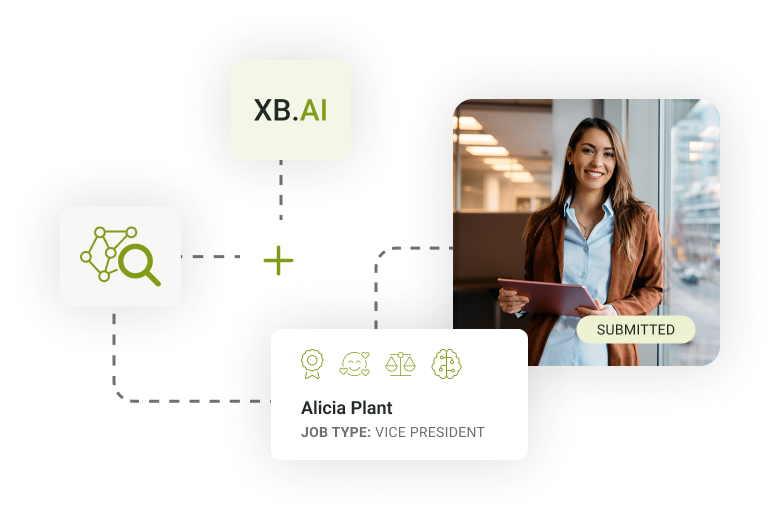
XBInsight Executive & Leadership Coaching combines AI + Science-powered assessments, personalized coaching, and role-specific benchmarks to help companies turn leadership development into measurable progress. Through development analytics and data-driven insights, leaders gain visibility into competency growth, development opportunities, and the factors influencing leadership effectiveness over time.
Interested in making leadership growth more visible? Request three complimentary Leadership Development Assessments and discover how deeper insight can help accelerate executive growth, strengthen leadership effectiveness, and create measurable development outcomes across your organization.